
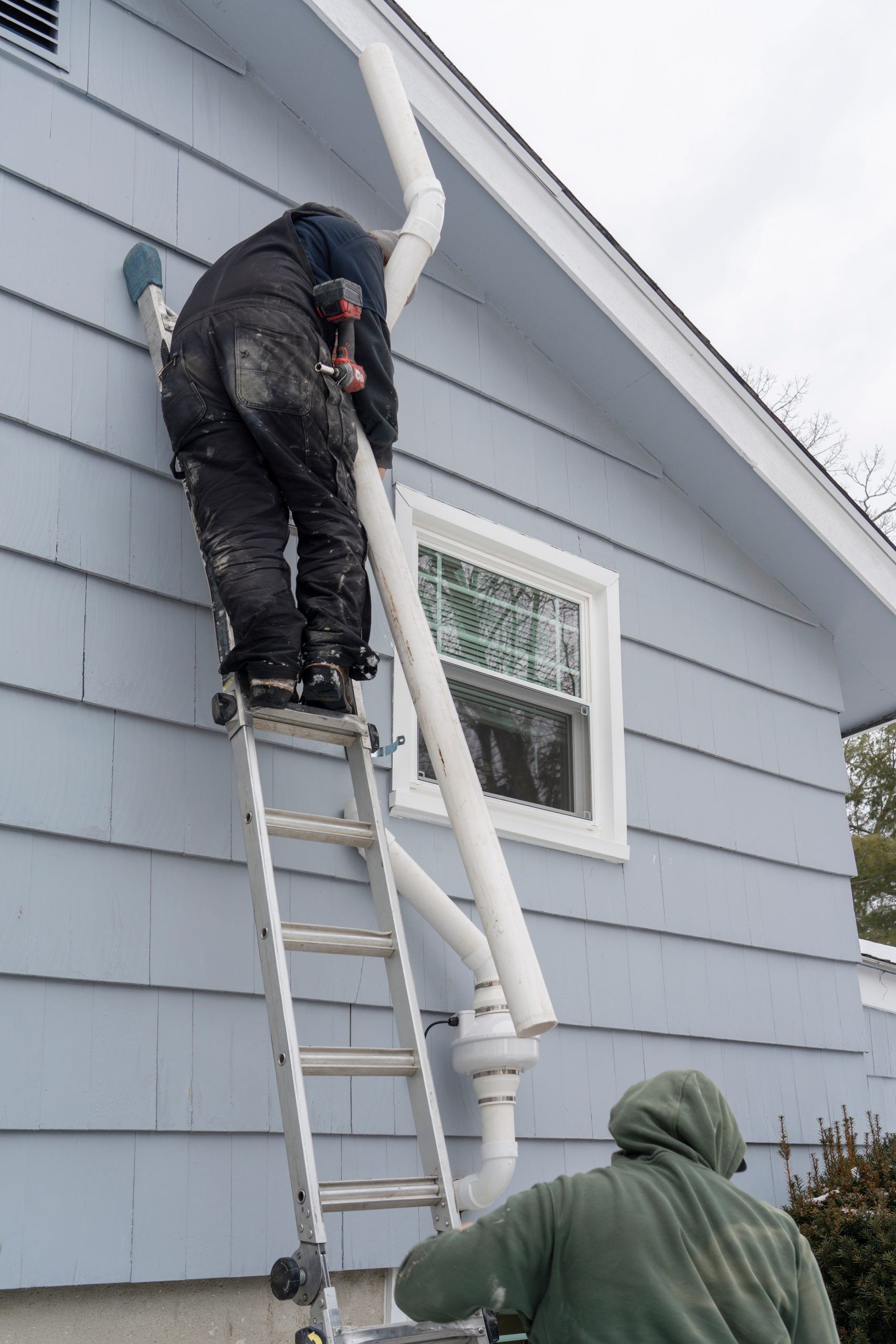
If you have a radon mitigation system installed in your Tennessee home, it is working around the clock to reduce radon levels and protect your household. Like any mechanical system, though, it will not last forever without occasional maintenance or repair. Homeowners should know the warning signs that indicate a radon system repair may be needed before small issues become bigger problems.
What Does the Manometer on My Radon System Tell Me?
The manometer is the U-shaped gauge mounted on your radon mitigation system’s PVC piping, and it serves as your first line of insight into how well the system is performing. When functioning properly, the fluid levels in each side of the tube will be uneven, showing that your fan is creating the pressure differential needed to draw radon from beneath your home.
If the liquid levels appear equal or nearly level, that is a strong indicator that airflow has been disrupted. This could point to a fan that has stopped working, a blockage in the piping, or a seal that has broken down over time.
Checking your manometer regularly is one of the simplest ways Tennessee homeowners can monitor their system between professional inspections. If the reading looks off, scheduling a radon system repair promptly helps ensure your system returns to full operation.
How Long Does a Radon Mitigation System Last?
A properly installed radon mitigation system is built to perform reliably for years, but individual components have their own lifespans. Tennessee homeowners should be aware of what may need attention over time so they can plan accordingly and avoid unexpected breakdowns.
- Radon fan lifespan: Most radon fans last between 5 and 10 years depending on the manufacturer, usage, and climate conditions. Fans operating in humid Tennessee crawl spaces may experience wear more quickly.
- PVC piping and seals: The piping itself can last for decades, but the seals and caulking around entry points can degrade over time, especially with seasonal temperature shifts common throughout the state.
- Electrical components: Wiring and connections can loosen or corrode, particularly in older homes in areas like Memphis or Clarksville where infrastructure may be aging.
- Overall system performance: Even when individual parts appear intact, the system’s overall effectiveness can decline gradually. Annual radon testing is the most reliable way to confirm your radon mitigation system is still performing as intended.
Why Is My Radon Fan Making Noise?
A properly functioning radon fan typically produces a low, steady hum that blends into the background of your home. When that sound changes to a rattle, grinding, or loud vibration, it is a sign something needs attention. Homeowners should treat unusual fan noise as an early warning that a radon system repair could be necessary.
- Bearing wear: Over time, the internal bearings of the fan motor break down. This often produces a grinding or squealing sound and means the fan is approaching the end of its functional life.
- Debris or obstruction: Small debris, insects, or moisture buildup inside the piping can cause rattling or uneven airflow sounds near the fan housing.
- Loose mounting hardware: Vibration over months and years can loosen the brackets or clamps securing the fan, leading to a noticeable buzzing or knocking against the piping.
- Motor strain: If the fan is working harder than designed due to a partial blockage or system modification, the motor may produce a louder, labored sound that signals increasing stress on the unit.
Why Is My Radon Fan Not Running?
Discovering that your radon fan has stopped running entirely is one of the clearest indicators that your radon mitigation system needs professional attention. Without the fan actively pulling air, radon gas can begin accumulating beneath your home and eventually seep into your living spaces. Tennessee homeowners should act quickly when they notice silence where there was once a steady hum.
- Power supply interruption: A tripped breaker, a blown fuse, or a GFCI outlet that has tripped can cut power to the fan. This is the first thing to check before calling for a radon system repair.
- Fan motor failure: Radon fans do eventually burn out. If the fan has power but is not spinning, the motor has likely reached the end of its lifespan and will need to be replaced.
- Wiring damage: Rodents, weather exposure, or general wear can damage the wiring running to your fan, particularly for systems with exterior components common in homes across Hendersonville and Lebanon.
- Condensation or moisture damage: In Tennessee’s humid climate, moisture can accumulate inside the fan housing and cause electrical components to short out or corrode over time.
Can a Radon System Stop Working Without Any Obvious Signs?
One of the more concerning realities of radon mitigation is that a system can lose effectiveness without producing any visible or audible warning. The fan may still run, the manometer may still show a slight reading, and the piping may appear fully intact, yet radon levels inside the home could be climbing.
This gradual decline often happens when seals slowly deteriorate, when soil conditions beneath the foundation shift, or when minor cracks develop in the slab. These changes can reduce the suction your system relies on without triggering any noticeable symptoms.
The only reliable way to catch this kind of silent decline is through periodic radon testing. Annual testing, or enrolling in a professional service plan, allows certified technicians to identify performance gaps and recommend a radon system repair before levels reach a point of concern.
Keep Your Radon Mitigation System Performing at Its Best
Recognizing the signs that your system needs attention is the first step toward keeping your home and family protected. Whether you have noticed changes in your manometer, unusual fan sounds, or simply have not had your system inspected in a while, the NRPP-Certified team at Tennessee Radon Services is ready to help. Reach out today to schedule a free onsite consultation and get your system back on track.